Excellent Practices
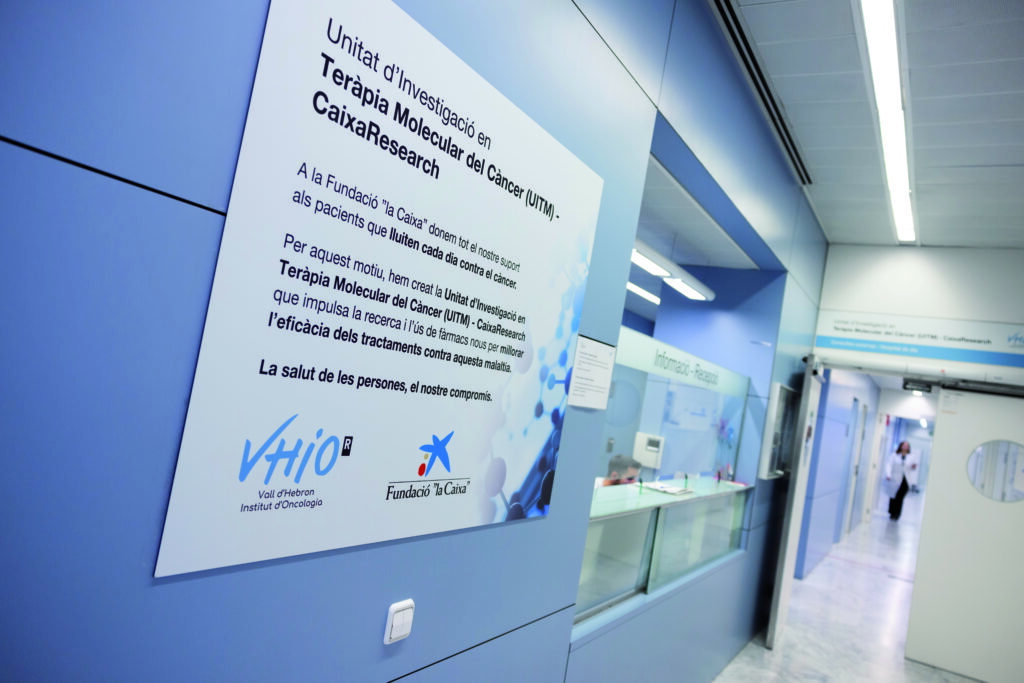
Research Unit for Molecular Therapy of Cancer (UITM) – CaixaResearch
Practice Category: Research
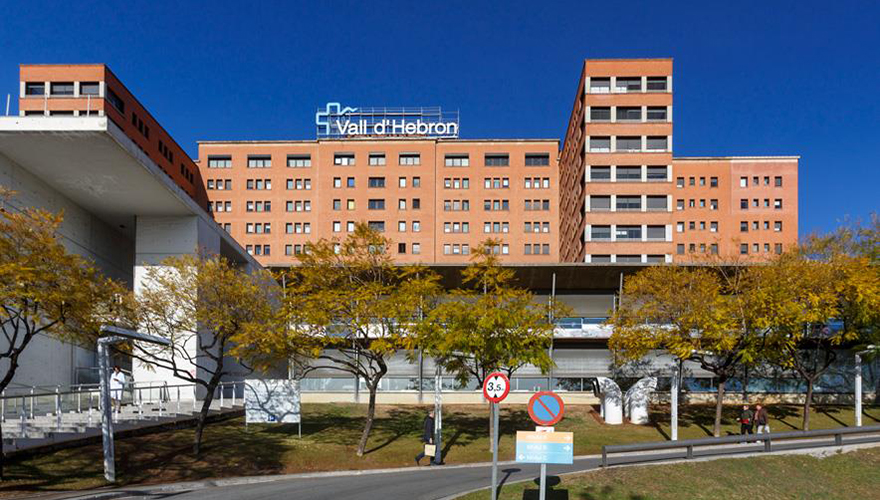
Centre: Vall d’Hebron Barcelona Hospital Campus
Elena Garralda
Director, Research Unit for Molecular Therapy of Cancer (UITM) – CaixaResearch
egarralda@vhio.net

Challenge addressed by the practice
- To establish our unit as one of Europe’s foremost comprehensive facilities with the best-in-class translational, collaborative, and multidisciplinary framework to rapidly transform the latest scientific discoveries into actionable insights to benefit patients.
- Maintain the reputation of the UITM – CaixaResearch as a reference centre in precision oncology by developing novel therapies based on tumour profiles and optimising treatment strategies through innovative clinical trial designs, including multi-modular basket studies and umbrella trials.
- Expand a broad portfolio of promising novel anticancer therapies across a balanced spectrum of early-phase clinical studies to drive progress in discovering new cancer medicines and harness these advances to bring innovative drugs, including first-in-class treatments and new combinations, to people with cancer.
Solution
Inaugurated in 2010, our unit is located within the general area of the Vall d’Hebron University Hospital. This privileged environment provides direct access to patients and promotes tight connectivity between oncology care and research, facilitating the implementation of novel treatment modalities with selective drugs and the generation of insights to guide the individualised treatment of patients.
Optimal patient treatment and care, and pioneering translational research at our unit, are made possible through the essential collaboration with many other teams of oncology professionals, as well as other healthcare specialists, including dermatologists, cardiologists, and ophthalmologists.
Through VHIO’s translational model, research at our unit is linked to several research lines led by investigators of our institute’s Biomedical Research Division, driven through collaboration with many other programs and groups including our Molecular Prescreening Program. These collaborations enable us to connect molecular biology and optimal tumour models with pharmacology and innovative clinical research. VHIO scientists collaborate in our unit’s trials to facilitate biomarker development, achieve a deep understanding of the mechanism of action of anti-cancer agents, and increase our understanding of the mechanisms of cancer drug resistance.
They also enable us to advance other promising and transformative treatment modalities in oncology, including cancer immunotherapy. As part of our Comprehensive Program of Cancer Immunotherapy and Immunology Program, we focus on the early drug development of immunotherapies including novel cytokines, bispecifics, immunomodulatory agents, and treatment combinations, and participate in translational research in immuno-oncology.
Impact
Studies conducted at UITM play a pivotal role in advancing precision medicine in oncology by tailoring cancer treatments to individual patients based on their unique genetic makeup and molecular profiles. Each year, around 600 patients are treated in over 300 Phase 1 clinical trials at our unit. Around 80 new Phase 1 clinical trials and basket trials are opened each year within the unit, bringing access to innovative drugs to patients. Since VHIO was established in 2006, our research and clinical teams have contributed to more than 70 new drug indications.
Our unit is also devoted to the training of physicians in early clinical drug development and fostering expertise in translational science, dynamic trial designs, and novel trial methodologies. We host around 12 students througout the year from local universities and from abroad, collaborating with other universities, schools, and sites.
Critical success factors
Our Molecular Prescreening Program was established in 2010 as a strategic program for the detection of cancer biomarkers to guide clinicians in selecting both standard-of-care and investigational anticancer treatments. This program facilitates the clinical implementation of emerging cancer biomarkers that help to optimise the selection of therapies for patients being considered for enrolment in early-phase clinical trials. Diagnostic tests are developed and validated in-house for cost-effective and streamlined identification of tumour molecular alterations of major interest in drug development.
Our Advanced Oncology Research Program enables us to design and conduct an expanding portfolio of Phase 1–2 clinical trials against novel targets. This unit is advancing the development of targeted anti-cancer therapies and accelerating transformative research focused on unravelling the complexities of clinical resistance mechanisms.
We foster strong collaborative partnerships to advance targeted therapies against cancer. For example, we participate in Cancer Core Europe (CCE), an alliance between seven outstanding cancer centres to spur the development of innovative cancer therapies through collaborative clinical research. Additionally, as a member of CCE’s Clinical Trials and Translational Research Pillar, we lead innovative trial design through our participation in pioneering studies, including CCE’s Basket of Baskets and CCE-DART.
Next steps
We will continue to bring the best therapies and personalised treatments into the clinic to improve patient outcomes, with a particular interest in cell therapies for solid tumours.
We also prioritise empowerment and participation of patients, ensuring that their perspectives and needs are heard and respected throughout. We will continue to enhance patient-centredness in clinical trials by involving patients and cancer survivors in the design of clinical trial protocols and increasing their involvement and representation in projects and on committees.