Excellent Practices
The DUROS Consultation
Practice Category: Treatment
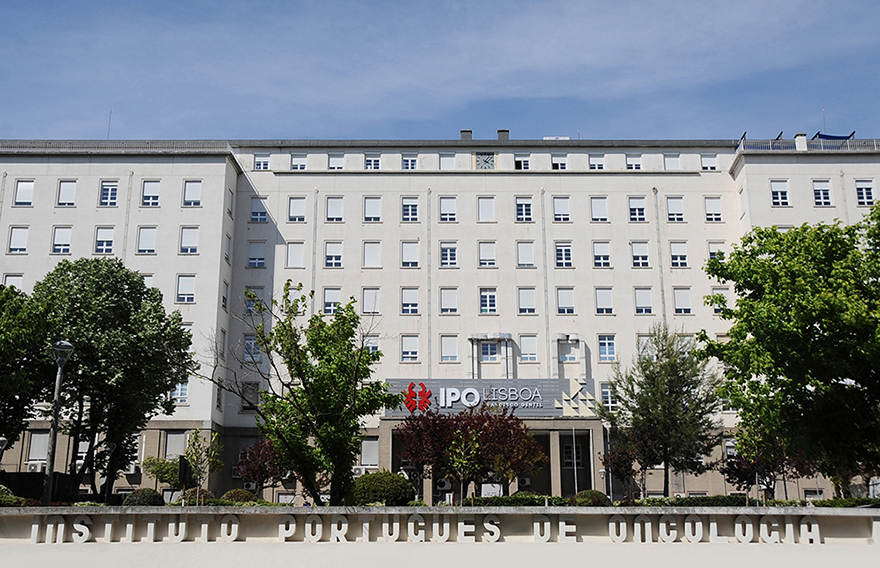
Centre: Instituto Português de Oncologia de Lisboa Francisco Gentil E.P.E. (IPO-Lisboa)
Ana Teixeira
Pediatrician
consultaduros@ipolisboa.min-saude.pt

Challenge addressed by the practice
Most children diagnosed with cancer survive five or more years after diagnosis. In a conventional setting, patients are followed at IPO Lisboa during the treatment phase and for the subsequent five years, after which they are discharged. While this transition to community care has advantages, it also results in the loss of long-term follow-up of survivors, which is particularly important for those who survived cancer in childhood.
The side effects of antineoplastic therapies may appear late, years after their administration, which requires regular monitoring. Moreover, the oncology center team is more alert to potential complications that may arise, due to their experience in managing these cases, thus providing more targeted surveillance of cancer survivors.
Solution
IPO Lisboa is a national reference center for pediatric oncology and was the first institution in Portugal to establish a survivorship follow-up consultation, which remains to date the only one operating under this model. The DUROS consultation (Duros meaning the tough ones), created in 2007, is dedicated to survivors of childhood cancer who have completed treatment at least five years earlier. Follow-up is maintained until 18 years of age for survivors at low risk of late effects, and up to 40 years of age for those with a higher likelihood of developing late complications related to the oncological disease or its treatment.
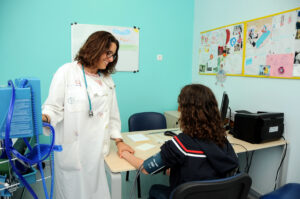
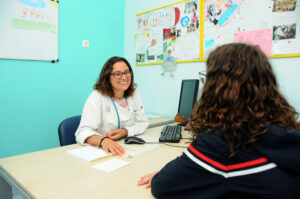
Currently, approximately 1,100 survivors are under follow-up. The consultation is conducted by a multidisciplinary team comprising three pediatric oncologists, three nurses, a psychologist, and a social worker. Survivors are seen once a year or every two years, depending on their individual risk profile.
Impact
- Clinical Follow-up and Surveillance
The DUROS consultation aims to assess and reduce the impact of cancer on quality of life by ensuring regular and targeted monitoring of potential late effects of antineoplastic treatments.
- Early Identification of Needs
It enables the early detection of physical, emotional, and social needs, and facilitates coordination with other healthcare professionals or institutions to ensure appropriate support for survivors.
- Information and Education
The consultation provides written information regarding the oncological disease, treatments received, associated risks, and long-term follow-up recommendations.
- Research and Data Contribution
Consultation records contribute to national and international databases, supporting research on late effects of cancer treatment, including secondary malignancies, endocrine disorders, and behavioral changes.
- Social and Administrative Support
The consultation also supports survivors with administrative matters in adulthood, such as documentation required for loan applications, representing an important social support component in long-term follow-up.
Critical success factors
- Support from IPO Lisboa Leadership
Backing from both the service directors and the hospital administration.
- Collaboration Across Departments
Cooperation from all departments within IPO Lisboa.
- Provision of Written Information
Written materials provided to survivors, covering both the disease and the treatments they received.
Next steps
The next step is to strengthen the coordination between IPO Lisboa and other healthcare institutions in the long-term follow-up of survivors. The moment of discharge from IPO Lisboa, at age 18 or 40, is critical. We plan to proactively promote contact between our nursing team and the primary care teams who will continue to follow the patient, ensuring a smoother transition and better integration of care.
Ideally, we aim to establish a clinical team fully dedicated to this consultation, which would allow us to expand our activities and enhance our capacity to respond to the needs of survivors.