

Excellent Practices
Towards a Sustainable Culture of Quality of Care
Practice Category: Organisation and Quality Systems
Centre: Leuven Cancer Institute
Dirk De Ridder
Quality Director of UZ Leuven and Member of the LKI Comprehensive Cancer Center Board
dirk.deridder@uzleuven.be

Challenge addressed by the practice
Engaging all staff members in a shared quality culture.
The goal is to embed sustainable quality principles into the daily workflow of the healthcare organisation, ensuring long-term benefits for patients, their families, and all healthcare stakeholders. Our current quality system is built on the FlaQum Quality Model, which provides a structured framework for continuous improvement of the quality system.
We are now transitioning toward a more integrated quality management system, Qubuz. This system aims to centralise document management and create a single, accessible platform where all components of quality management (SOPs, audit, incident management, improvement, etc.) are integrated and easy to consult. By streamlining access and improving coherence, Qubuz supports a stronger, more consistent quality culture across the organisation.
Solution
- The practice focuses on embedding a person-oriented quality policy into the hospital’s daily operations in an innovative and transparent way. The quality department supports this by providing measurement and learning systems, project monitoring, and both centralised and decentralised training and information on procedures and practices. Collaboration with UZ Leuven hospital staff and network partners is driven by a constructive, proactive, and learning-oriented mindset.
- In addition, patients are involved in quality projects whenever possible to strengthen relevance and impact (e.g. patient panels, PREMS).
- (Quality) information sharing is structured by analogy with our matrix structure, with Care Programme (CP), Activity Center (AC), and Competence Center (CC) dimensions within the hospital. This means that information is made available per position on the axes. The data is made centrally available via an internal website that everyone can access. Each employee can access information according to his position on the matrix. Active work is being done to expand the available data.
- Our new quality management system (Qubuz) is currently being developed and will become operational in 2026.
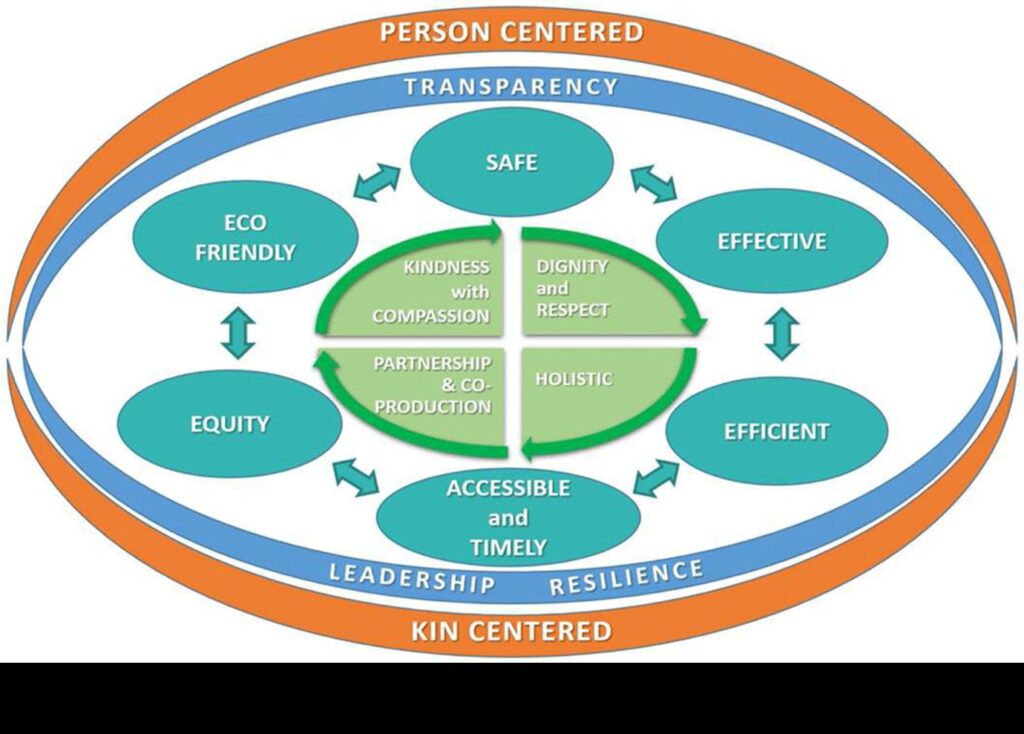
Figure 1. A multidimensional quality model (Lachman et al, 2021 and Claessens et al, 2022)
Impact
The impact of the practice is monitored through an annual evaluation report that documents progress, challenges, and measurable effects on quality management (within cancer care). These evaluations assess, for example, how well quality initiatives are embedded in daily clinical and research activities, and how effectively staff and patients are engaged.
Updated results can be obtained by contacting Prof. Dirk De Ridder (see contact details above).
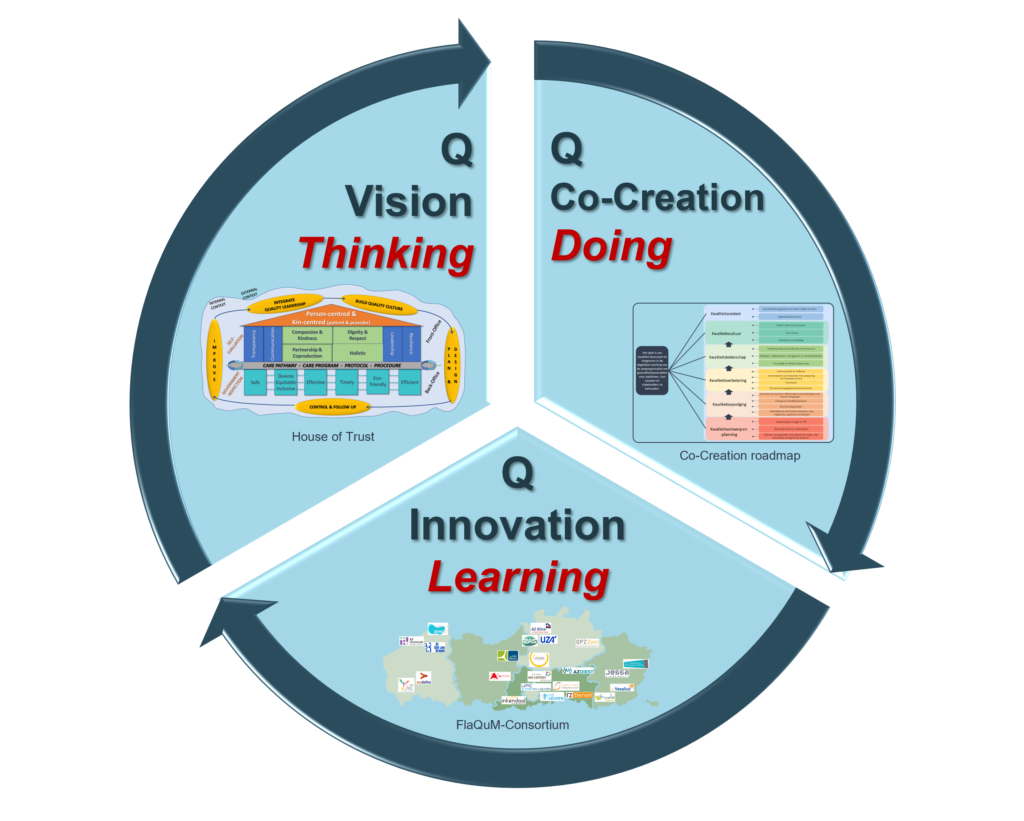
Figure 2. The three FlaQuM pillars
Critical success factors
A key success factor is the active commitment of all professionals. The quality management system can only advance when every staff member recognises that quality and safety are shared responsibilities, fully aligned with the FlaQuM principles.
Next steps
The next steps focus on strengthening a sustainable quality culture by encouraging continuous learning, innovation and shared responsibility. The aim is for quality to be fully embedded in every employee’s daily workflow, ensuring consistent, person-centered care.
In parallel, further development of the integrated quality management system, Qubuz, will continue.
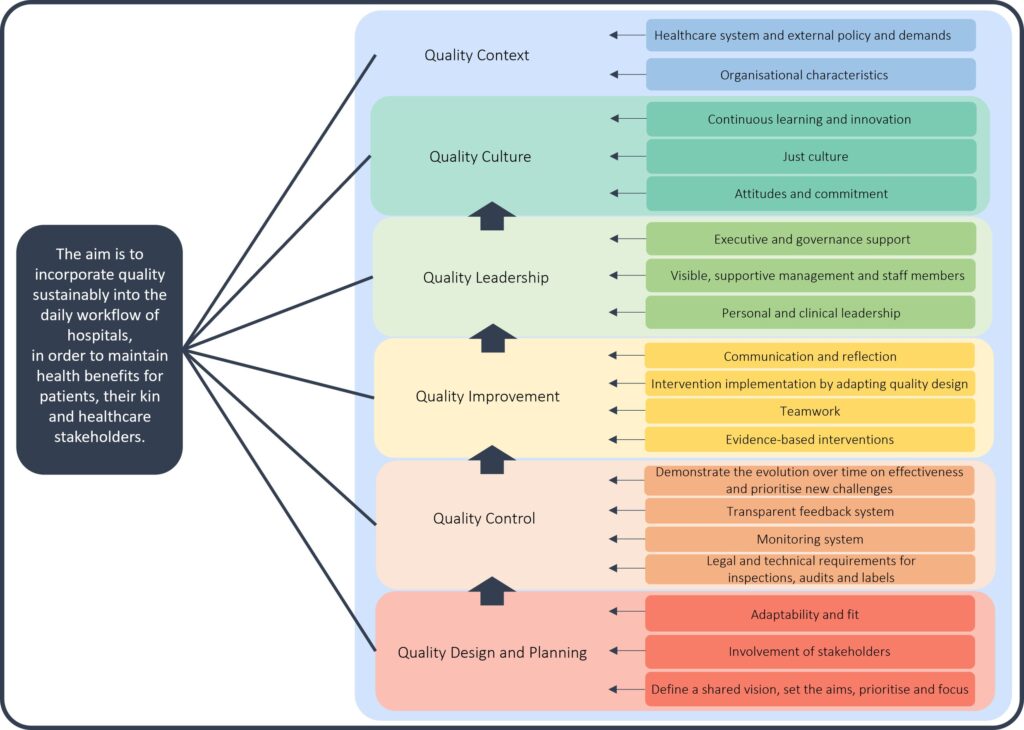
Figure 3. FlaQuM Co-Creation model (Claessens et al, 2021)